
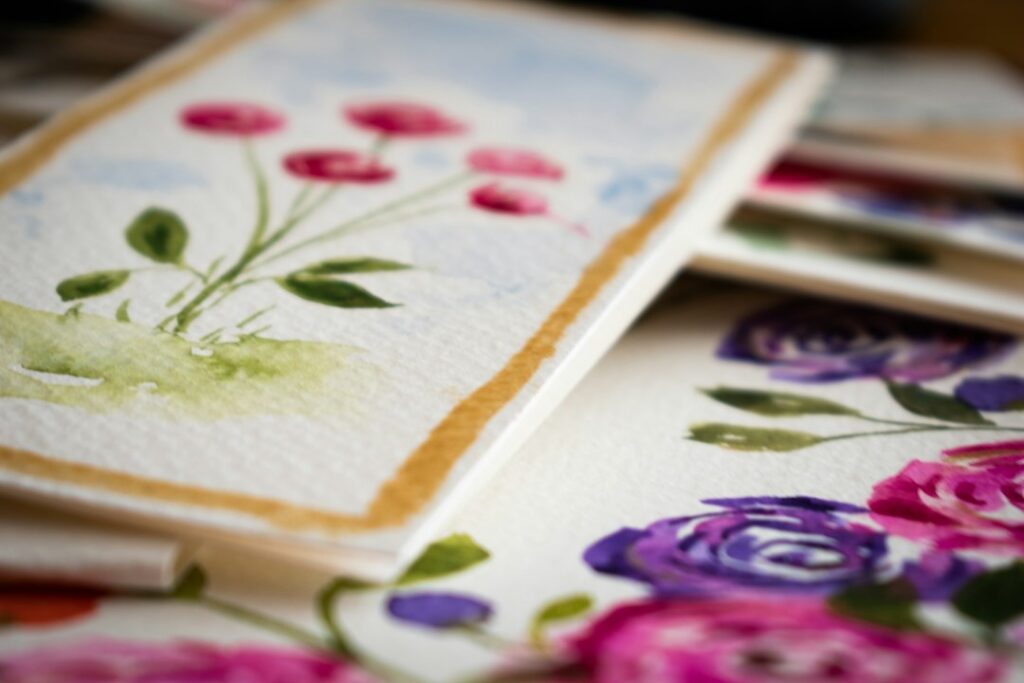
Creative hobbies can help older adults stay engaged, express personal interests, and maintain a sense of routine in assisted living. In Oakmont, PA, activities that can be enjoyed indoors, adapted for different abilities, and shared with neighbors are especially practical throughout the year.
A hobby does not need to be complicated, expensive, or physically demanding. The most successful activities are usually those that match a resident’s interests, energy level, vision, dexterity, and comfort with social interaction.
What creative hobbies work well in assisted living?
The best hobbies are flexible, meaningful, and easy to pause or resume. Activities should offer more than a finished product; they should also provide enjoyment during the process.
Common choices include:
- Drawing, coloring, watercolor painting, and simple crafts
- Knitting, crocheting, embroidery, and other textile projects
- Writing letters, family stories, poetry, or personal memories
- Music, singing, rhythm activities, and listening groups
- Photography, nature observation, and seasonal decorating
- Puzzles, scrapbooking, collage-making, and card-making
- Cooking demonstrations, recipe sharing, and no-bake food projects
- Gardening with containers, herbs, or indoor plants
Some residents may prefer a quiet activity at a personal table, while others may enjoy a group project. Offering both options helps residents participate according to their mood and abilities.
How can art activities be adapted for different abilities?
Art activities can be made more accessible by simplifying the materials and changing the size, pace, or type of movement required. A resident does not need advanced artistic skill to benefit from creative work.
Helpful adaptations may include:
- Using larger-handled brushes, pencils, or scissors
- Choosing thicker yarn, larger needles, or pre-cut fabric pieces
- Placing materials on a non-slip mat
- Providing large-print patterns and easy-to-see colors
- Using lightweight objects that are easier to lift and move
- Breaking a project into short steps
- Offering seated activities with good lighting and back support
Painting with sponges, decorating paper flowers, arranging fabric squares, or making seasonal greeting cards may be easier than projects requiring fine hand movements. Residents with limited dexterity can still make choices about colors, textures, patterns, and placement.
The goal is participation rather than perfection. A finished project may be valuable, but the conversation, concentration, and personal expression involved can be just as meaningful.
Are creative hobbies helpful for memory support?
Creative hobbies may support memory and communication because they often connect with familiar experiences. Music, storytelling, cooking, and crafts can prompt conversations about family traditions, work, holidays, or earlier homes.
For residents living with memory loss, familiar activities are often more comfortable than completely new ones. Examples include:
- Folding fabric
- Sorting buttons by color
- Listening to songs from earlier decades
- Looking through family photographs
- Decorating cookies or assembling simple snacks
- Completing a familiar pattern or craft
- Talking about favorite recipes
Instructions should be brief and offered one step at a time. Too many choices or complicated directions can create frustration. It can also help to demonstrate the activity rather than relying only on written instructions.
Creative hobbies should never be treated as a test of memory. There is no need to correct every detail in a story or insist that a project be completed in a particular way.
Which hobbies are best for residents who prefer social activities?
Group hobbies can make it easier for residents to meet neighbors and maintain regular social contact. A shared activity gives people something to discuss without requiring constant conversation.
Good group options include:
- Group singing or music appreciation
- Collaborative murals or seasonal bulletin boards
- Knitting or crochet circles
- Recipe and family-story gatherings
- Group poetry or short-story discussions
- Scrapbook pages about local seasons and traditions
- Simple board games and jigsaw puzzles
- Flower arranging or indoor gardening

In a community with changing weather, indoor group activities can be especially useful during cold, rainy, or icy periods when outdoor plans are less dependable. During pleasant weather, container gardening, porch sketching, or nature observation can provide a change of setting without requiring a long outing.
Residents who are shy, hard of hearing, or easily tired may prefer smaller groups. A quiet table with two or three people can be more comfortable than a large activity room.
How can family members support a resident’s creative interests?
Family members can help by learning what the resident enjoyed earlier in life and bringing those interests into the present. A former seamstress might enjoy sorting fabric, choosing colors, or discussing patterns even if sewing is no longer comfortable. Someone who once kept a garden may appreciate planting herbs in a small container.
Useful questions include:
- What hobbies did the resident enjoy before moving into assisted living?
- Which activities were relaxing rather than competitive?
- Does the resident prefer working alone or with others?
- Are there favorite colors, music styles, foods, or seasonal traditions?
- Would the resident rather make something, observe something, or tell stories?
Supplies should be simple, labeled, and limited to what can be used safely. Too many materials can make an activity feel like a chore. Finished projects can be displayed in the resident’s room, given to family members, or used to decorate a shared space if the resident wishes.
What safety issues should be considered?
Most creative hobbies are low risk, but materials and surroundings still need attention. Sharp tools, small objects, hot liquids, strong adhesives, and loose cords may not be appropriate for every resident.
Consider:
- Whether small items could be a choking hazard
- Whether scissors, needles, or craft knives are suitable
- Whether paint, glue, or cleaning materials could irritate skin or breathing
- Whether the resident can see the materials clearly
- Whether the table and chair provide stable support
- Whether the activity may cause fatigue or hand discomfort
- Whether food projects fit dietary restrictions or swallowing needs
Any activity involving heat, open flames, chemicals, or sharp tools may require closer supervision. Adaptations should preserve independence where possible while reducing unnecessary hazards.
How can residents choose a hobby that feels worthwhile?
Start with personal meaning rather than trend or appearance. A resident may enjoy writing memories more than making decorative objects, or listening to music more than performing it. Passive participation still counts: choosing colors, giving suggestions, watching a demonstration, or sharing a story can all be creative involvement.
A practical starting point is to try one short activity in each of several categories:
- Making: painting, crafts, gardening, or textile work
- Remembering: photographs, music, recipes, or storytelling
- Connecting: group singing, games, or shared projects
- Observing: nature, art, seasonal displays, or demonstrations
Afterward, notice whether the resident seemed relaxed, interested, talkative, or eager to continue. Those responses provide better guidance than whether the project looks polished.
Creative hobbies are most valuable when they respect the resident’s history, preferences, abilities, and changing energy. In assisted living, a few familiar materials and a welcoming activity can provide structure, companionship, and a satisfying way to spend part of the day.
