
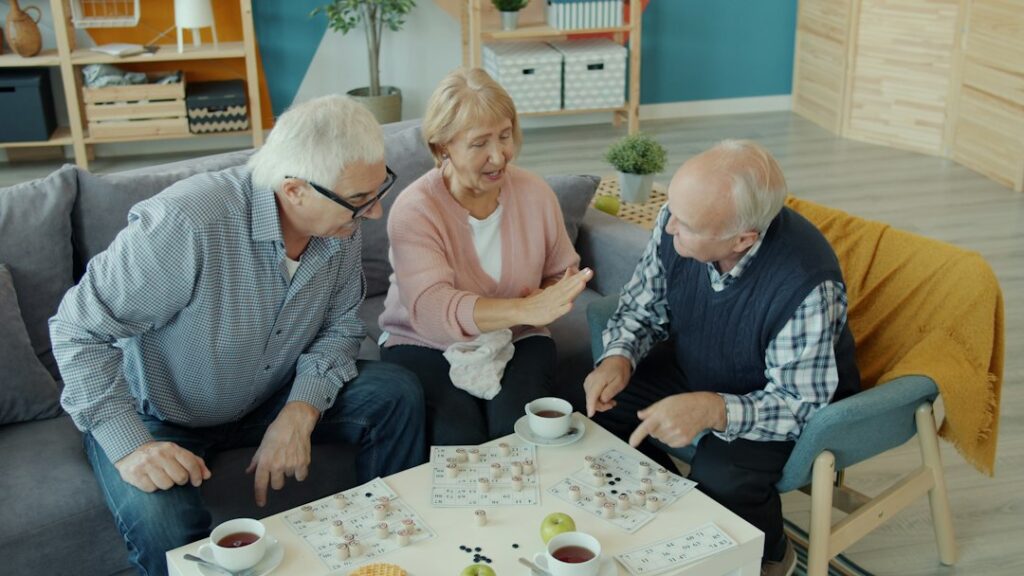
Disagreements can happen in any assisted living community. Residents may have different routines, communication styles, health needs, expectations about shared spaces, or concerns about care. Conflict does not always mean someone is being difficult; it often signals that a need, boundary, or misunderstanding has not been addressed clearly.
In Oakmont, PA, families and residents may also be adjusting to seasonal changes, transportation limitations, home downsizing, or a move from an independent household into a more structured setting. These changes can add stress to otherwise manageable disagreements.
What kinds of conflict are common in assisted living?
Most conflicts fall into a few broad categories: resident-to-resident disagreements, concerns involving staff, family disagreements, and disputes about rules or daily routines.
Common examples include:
- Noise, television volume, visitors, or shared-room concerns
- Disagreements about dining tables, activities, or personal belongings
- Frustration about waiting for assistance
- Concerns about medication routines, bathing, laundry, or housekeeping
- Family members disagreeing about care decisions
- A resident feeling ignored, embarrassed, rushed, or treated unfairly
- Confusion about community policies, schedules, fees, or personal rights
Some conflicts are minor and can be resolved through a calm conversation. Others involve possible neglect, intimidation, harassment, discrimination, unsafe care, or financial exploitation. Those concerns require prompt attention rather than informal compromise.
How should a resident respond to a disagreement with another resident?
The first step is to pause and avoid responding while angry, frightened, or confused. A short break can prevent a disagreement from becoming a personal argument.
If the situation feels safe, the resident can use a simple statement describing the problem without accusing the other person. For example:
- “The television volume is making it difficult for me to rest.”
- “I felt uncomfortable when my belongings were moved.”
- “I would like to use this table at a different time.”
Specific language is usually more effective than statements such as “You always cause problems.” The goal is to describe the behavior, explain its effect, and request a practical change.
A staff member can help facilitate the conversation if direct discussion feels uncomfortable. Residents should not be expected to confront someone who has threatened them, followed them, entered their room without permission, or acted aggressively.
What if the conflict involves a staff member?
A resident should write down what happened as soon as possible. Useful details include the date, approximate time, location, people involved, exact words or actions, and how the situation affected the resident’s care or safety.
The concern can then be shared with the staff member’s supervisor or the person responsible for resident services. A calm, factual description is more useful than a general complaint. Instead of saying, “Nobody helps me,” a resident might say, “I requested assistance at approximately 8:00 p.m., and help did not arrive until 9:15 p.m. I was unable to get safely to the bathroom during that period.”
A resident or family member may ask:
- What will be done to review the concern?
- Who will follow up?
- When should an update be expected?
- How will future problems be prevented?
- Is there a written grievance process?
Residents should be able to raise concerns without being punished, threatened, isolated, or treated differently in response. Retaliation is not an acceptable way to handle a complaint.
How can families avoid making conflict worse?
Family members often become involved because they are worried, but an emotional response can sometimes increase tension. Before confronting staff or another resident, it helps to gather the resident’s account, review the facts, and identify the desired outcome.
Family members should avoid discussing private care concerns in hallways, dining areas, or other public places. Sensitive information is better handled in a private meeting or conversation.
It is also helpful to distinguish between a preference and a safety concern. A resident may prefer a different meal time, activity, or room arrangement. A missed medication, unexplained injury, repeated lack of assistance, or sudden financial concern is more urgent.
When several relatives are involved, designating one primary contact can reduce conflicting instructions. Family members should also respect the resident’s preferences and privacy whenever the resident has the ability to make decisions.
What communication habits help resolve disagreements?
Clear communication often prevents repeated conflict. The following approach can help:
1. Choose an appropriate time. Avoid raising a serious issue during a rushed transition, medication pass, meal service, or emotional moment.
2. Use observable facts. Describe what happened rather than guessing at someone’s motives.
3. State the impact. Explain whether the issue caused fear, confusion, discomfort, missed care, or disruption.
4. Ask for a specific solution. A clear request is easier to address than a broad demand for better treatment.
5. Listen for missing information. Schedules, staffing changes, medical conditions, hearing loss, or memory problems may affect what occurred.
6. Repeat the agreed plan. Confirm who will do what and when follow-up should occur.
Hearing loss, vision changes, dementia, medication side effects, depression, and fatigue can all affect communication. That does not mean a resident’s concerns should be dismissed. It means conversations may need to take place in a quiet area, with written information, extra time, or a trusted support person present.
When is conflict a safety issue?

A disagreement becomes a safety concern when it includes threats, physical contact, unwanted sexual behavior, intimidation, stalking, property destruction, deliberate withholding of care, or financial pressure.
Immediate danger should be reported to nearby staff or emergency services. A resident who cannot safely remain in a room, hallway, dining area, or activity space should ask for assistance moving to a safer location.
Other warning signs deserve prompt reporting even if no immediate emergency exists:
- Unexplained bruises, injuries, or sudden changes in behavior
- Repeated fear of a particular person
- Missing money, valuables, identification, or personal documents
- Staff refusing to explain significant changes in care
- Repeated unanswered requests for basic assistance
- Punishment, threats, or loss of privileges after a complaint
- A resident being prevented from contacting family or trusted supporters
Documentation can be especially valuable if a problem happens more than once. Keep copies of written complaints and note the response received. If the concern is not resolved through the usual internal process, residents and families may need to seek guidance from an appropriate long-term-care oversight or protective-services authority. Serious safety concerns should not be delayed while waiting for a routine meeting.
How should disagreements about rules or care plans be handled?
Residents and families should ask for the rule or care-plan information in clear, understandable language. Misunderstandings often arise because people remember verbal explanations differently.
Questions may include:
- Is this a written community policy or a temporary instruction?
- Does the rule apply to every resident?
- What reason supports the restriction?
- Are there reasonable alternatives?
- How will the resident’s preferences and abilities be considered?
- When will the arrangement be reviewed?
A care plan should reflect the resident’s current needs, preferences, risks, and abilities. If a resident’s condition or routine changes, the plan may need to be reviewed rather than treated as permanent.
Residents should not have to choose between being agreeable and being safe. Respectful disagreement is part of participating in decisions about daily life and care.
What is the best way to repair a relationship after conflict?
After a disagreement, a brief acknowledgment can help restore trust: “I was upset earlier, and I want to find a better way to handle this.” An apology may be appropriate, but it should not replace action when the underlying problem remains.
A workable resolution might include quieter visiting hours, a different seating arrangement, clearer response procedures, a written care instruction, or a scheduled check-in. The strongest solutions are specific enough that everyone understands what should happen next.
Conflict cannot always be avoided, but it can be handled with dignity, documentation, clear boundaries, and attention to safety. Residents deserve to be heard, and staff and families benefit from addressing concerns early, before frustration turns into fear or lasting mistrust.
